



Property Manager Emergency Checklist for the First Hour

A burst pipe at 2:00 a.m. does not wait for office hours. Neither does a sewage backup in an occupied building, a kitchen fire in a multifamily unit, or wind-driven water entering a commercial property. This property manager emergency checklist is built for the first hour, when clear decisions protect people, limit damage, and create the documentation needed for a controlled recovery.
The goal is not to diagnose every problem on the spot. It is to secure the area, protect occupants, stop conditions from getting worse when it is safe to do so, and bring in the right emergency response team. Fast action matters because water can move behind walls and under flooring, smoke residue can spread through HVAC pathways, and contaminated sewage can create an immediate health hazard.
Property Manager Emergency Checklist: First Priorities
1. Protect people before property
Start by determining whether anyone is injured or in immediate danger. Call 911 for fire, smoke, a suspected gas issue, structural instability, serious electrical hazards, or any medical emergency. Do not allow tenants, staff, or vendors into an area with standing water near electrical equipment, active smoke, fallen ceilings, exposed wiring, or contaminated wastewater.
If the building needs to be evacuated, give occupants direct instructions and identify a safe gathering location. In a larger property, assign one staff member to manage tenant communication while another meets emergency responders. Confusion creates delays, and delays often increase both property loss and resident frustration.
2. Identify the source and isolate it only if safe
A property manager should know where the main water shutoff, electrical panels, fire alarm controls, and utility contacts are located before an emergency occurs. If a pipe is actively releasing clean water and the shutoff is safely accessible, stop the water source. If the issue involves sewage, electricity, fire damage, or an unknown source, keep personnel clear and wait for qualified responders.
This is where judgment matters. Turning off a building water supply may prevent widespread damage, but it can also affect occupied units and essential operations. When possible, communicate the shutdown immediately, explain the reason, and provide a realistic next update time rather than making promises before the full situation is known.
3. Call emergency restoration before damage spreads
Water, smoke, and contamination damage are time-sensitive. A professional restoration team can assess the affected area, identify hazards, begin mitigation, and document conditions before materials deteriorate further. For property managers in Bergen County and surrounding New Jersey communities, Emergency Relief Restoration LLC provides 24/7 emergency response with IICRC-certified technicians and a stated 27-minute response time.
The initial call should include the property address, type of loss, known source, affected units or rooms, whether occupants are present, and any immediate safety concerns. Give responders the best access point and a reliable on-site contact. This helps the team arrive ready to stabilize the loss instead of spending critical minutes gathering basic information.
4. Secure the affected area
Restrict access with clear signage, barriers, or locked doors where appropriate. Keep a simple record of who enters the area and why. This is especially important in commercial properties, multifamily buildings, and common areas where many people may otherwise move through the damage zone.
Do not permit occupants to remove damaged contents, walk through contaminated water, or attempt cleanup in hazardous conditions. Sewage backups, mold-affected materials, fire residue, and water near electrical systems require professional handling. Safety and proper documentation take priority over a rushed attempt to make the area look normal.
Document the Loss Before Conditions Change
Documentation is one of the most valuable tasks a property manager can complete in the early stages. Take date- and time-stamped photos and video from wide angles first, then capture closer images of visible damage. Record water lines, affected flooring, damaged walls and ceilings, contents, equipment, and the apparent source if it can be documented safely.
Create a written incident log while details are fresh. Note when the issue was discovered, who reported it, actions taken, which units or spaces are affected, utility shutoffs, emergency calls, and names of responding personnel. In a commercial setting, include any impact on operations, inventory, tenant spaces, or customer access.
Keep the record factual. Avoid assigning blame, estimating repair costs, or declaring a cause before qualified professionals complete their assessment. A clean timeline supports communication with ownership, insurers, tenants, and the restoration team.
What to record for an insurance claim
Your claim file should contain more than photos. Gather the following information as it becomes available:
The incident date, discovery time, and a brief description of what occurred
Photos and video of affected building materials, contents, and equipment
Tenant or employee reports, maintenance records, and relevant service history
A list of damaged rooms, units, and business areas
Emergency mitigation records, moisture documentation, and restoration reports
All communications with the carrier, adjuster, tenants, vendors, and ownership
Insurance coverage and claim decisions depend on the policy and the insurer's review. Your responsibility is to preserve evidence, prevent additional damage where possible, and provide complete, organized records. An experienced restoration contractor can document mitigation work and coordinate directly with insurance carriers, helping keep the process moving without taking control away from the property owner or manager.
Communicate With Tenants, Owners, and Staff
Silence creates anxiety during a property emergency. Send a short initial notice to affected occupants that explains the immediate issue, any access or safety restrictions, and what is being done next. Avoid speculation about the cause, repair timeline, or whether a unit will be available by a particular date until the damage assessment is complete.
For an occupied residential property, residents need practical direction: whether water or power is temporarily unavailable, whether they must avoid a specific area, and who to contact after hours. For commercial tenants, identify whether the emergency affects entry, operations, equipment, inventory, or required closures. A designated update schedule can reduce repeated calls and keep staff focused on the response.
Owners and asset managers generally need a different level of reporting. Provide the facts, photos, immediate mitigation plan, known operational impact, and next decision point. If temporary relocation, board-up, contents handling, or reconstruction may be needed, flag it early. Early notice gives ownership time to make informed decisions without slowing emergency work.
Adjust the Response to the Type of Emergency
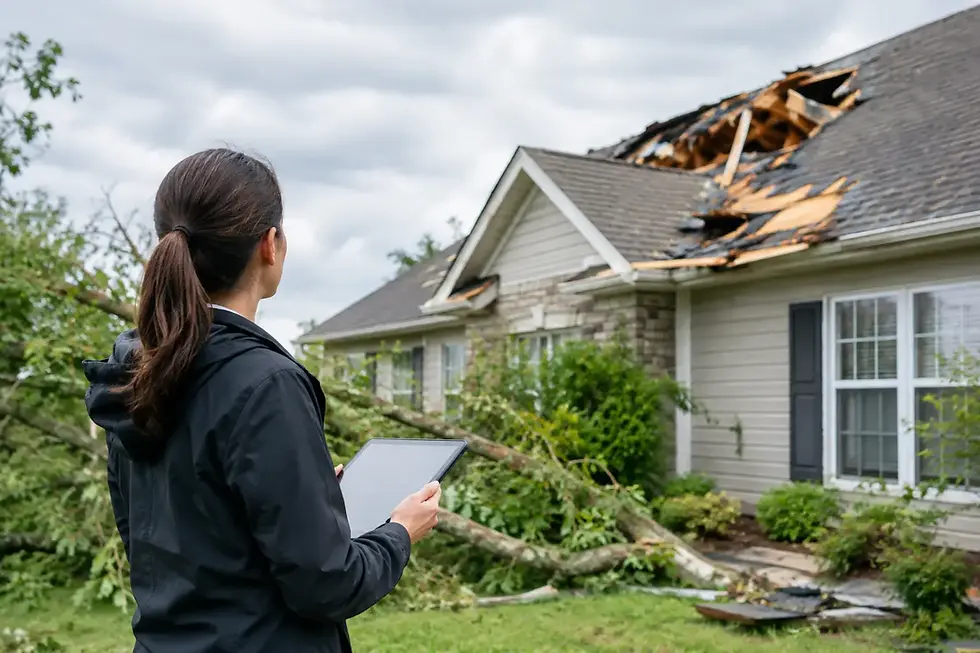
Not every property loss follows the same playbook. A clean-water supply line leak may call for rapid extraction, structural drying, and moisture monitoring. A storm event may involve roof intrusion, wind damage, multiple affected units, and a need to prevent further weather exposure. Fire damage can require safety clearance, board-up, smoke and odor assessment, and detailed contents documentation.
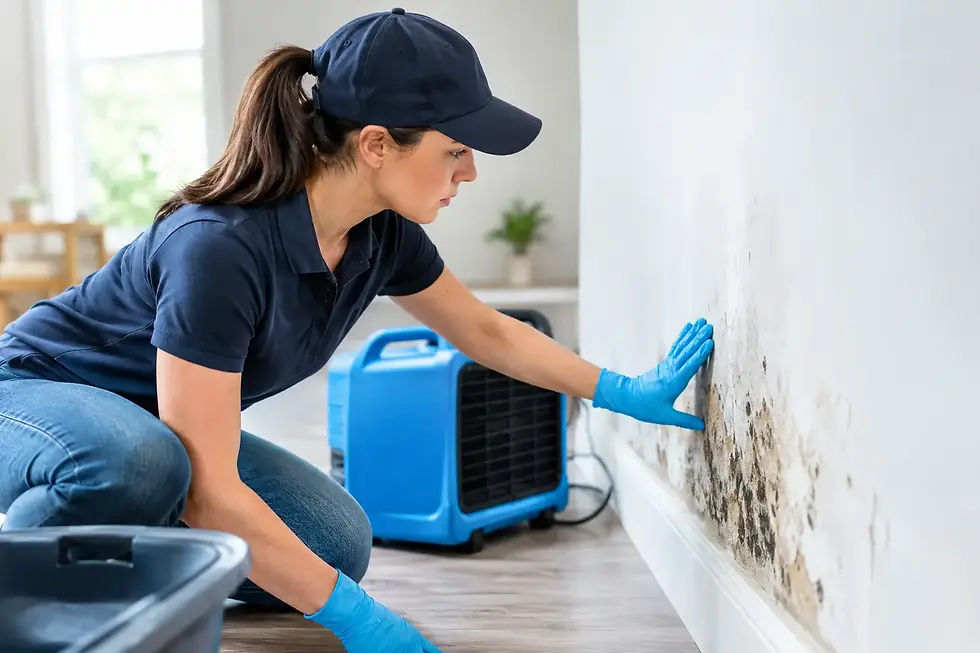
Sewage backups require more restrictive controls because wastewater can contain harmful contaminants. Mold concerns require an assessment of the moisture source, the extent of affected materials, and containment needs before disturbance spreads spores. In each case, the first-hour priorities remain the same: protect people, control access, document conditions, and mobilize qualified help.
Build the Checklist Before You Need It
An emergency checklist only works if your team can find it at 2:00 a.m. Keep a printed and digital version with property-specific details. Include after-hours contacts, utility shutoff locations, alarm and access instructions, current tenant contacts, ownership contacts, insurance information, and approved restoration vendors.
Review the checklist after every real incident. If access was delayed because a lockbox code was outdated, fix it. If staff did not know who was authorized to approve emergency mitigation, clarify that authority. If tenant communications created confusion, revise the message template. The strongest emergency plan is a living operational tool, not a document saved in a folder and forgotten.
When a loss occurs, the property manager's job is to establish control quickly, not to handle every technical task alone. A disciplined first-hour response protects occupants, gives restoration professionals the information they need, and helps preserve the value of the property while the path to recovery takes shape.

Comments