


Storm Damage Claims: What to Do First

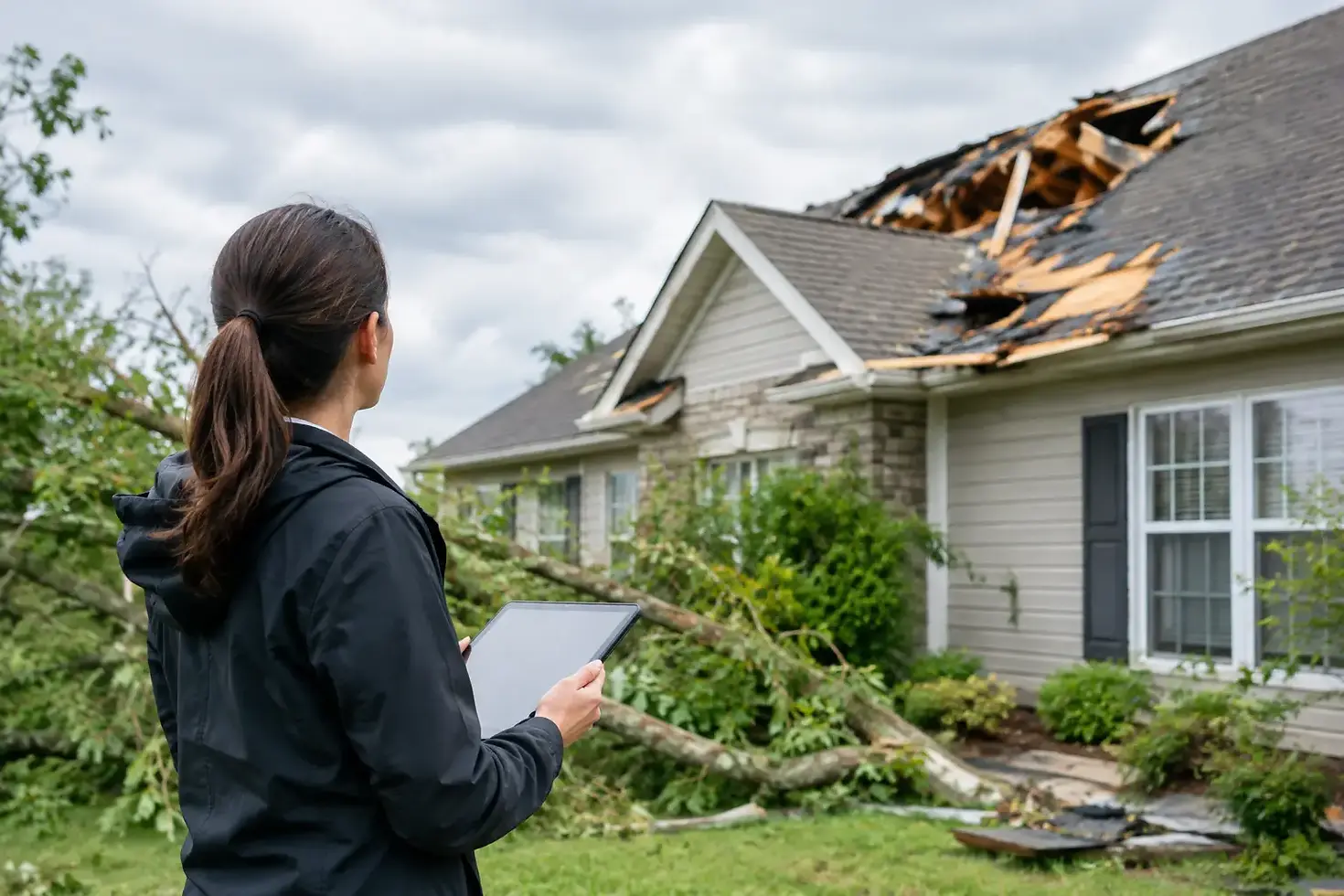
When wind-driven rain enters through a damaged roof, a fallen tree opens a wall, or flooding reaches finished spaces, storm damage claims begin long before an adjuster arrives. The first hours determine how much damage can be prevented, what evidence is preserved, and how clearly the loss can be presented to the insurance carrier.
For New Jersey homeowners, property managers, and business owners, the priority is not simply getting a claim number. It is protecting people, stabilizing the property, and creating a documented record of what happened. Fast professional mitigation can limit secondary damage from water migration, mold growth, compromised materials, and interrupted operations.
Protect the Property Before Damage Spreads
Do not enter a structure that may have structural damage, standing water near electrical systems, a gas odor, or downed power lines. Emergency conditions require a qualified response. Once the property is safe to access, the goal is to stop additional loss without destroying the evidence needed for the claim.
A restoration team can secure openings with emergency board-up or roof tarping, extract standing water, remove saturated materials when necessary, and set professional drying equipment. These are not cosmetic measures. They are mitigation steps designed to prevent a localized roof leak or flooded basement from becoming widespread structural damage.
For commercial properties, the urgency can be even greater. Water can move below flooring, into wall cavities, across tenant spaces, and around electrical or mechanical systems. Rapid stabilization helps protect inventory, equipment, records, and the ability to reopen safely.
Insurance policies commonly require policyholders to take reasonable steps to prevent further damage after a covered event. The exact policy language and coverage determination vary, but delaying emergency mitigation can create avoidable complications. Keep receipts, invoices, photos, and written records of all emergency work performed.
Document Storm Damage Claims From the Start
Thorough documentation gives the claim a clear timeline. It helps show the condition of the property immediately after the storm, the scope of visible damage, and the emergency measures needed to limit additional loss.
Begin with wide photos and video of the exterior, including roof areas visible from the ground, siding, gutters, windows, detached structures, fences, and fallen trees. Then document each affected interior area. Capture ceiling stains, wet drywall, buckled flooring, damaged contents, water lines, and any active intrusion points before materials are moved when it is safe to do so.
Photos alone are useful, but professional documentation is stronger when it includes moisture readings, equipment logs, drying records, photographs taken during mitigation, and an itemized scope of work. Water does not always leave obvious surface evidence. A wall may look dry while insulation, framing, and subflooring remain wet behind it.
Create a simple event record as well. Note when the storm occurred, when damage was discovered, when emergency services were contacted, and what actions were taken. For a business, record operational effects such as closed areas, affected tenant suites, damaged stock, and interruption dates. Keep the facts direct and accurate. Avoid guessing about the cause or extent of damage before the property has been evaluated.
Preserve Damaged Items When Possible
Do not dispose of damaged contents, building materials, or equipment until the carrier or adjuster has had a reasonable opportunity to inspect them, unless removal is necessary for safety or to prevent further damage. If materials must be removed during emergency mitigation, document them carefully with photographs, measurements, and written notes.
This is particularly relevant for carpeting, drywall, insulation, cabinets, furniture, and business contents. A restoration contractor can document removal and retain records that support the emergency scope of work.
Notify Your Insurance Carrier Promptly
Contact your insurance carrier or agent as soon as the immediate emergency is under control. Provide the date of loss, a brief description of what occurred, and the known affected areas. Request a claim number and save the contact information for the assigned adjuster or claim representative.
Prompt notice starts the formal claims process, but it does not mean work must wait for an inspection when water is actively spreading or the building is exposed to weather. Emergency mitigation often needs to begin immediately to protect the property. Tell the carrier that emergency services are underway and provide the restoration contractor's documentation as it becomes available.
Be precise in your communications. Describe observable facts: water entered through a storm-damaged roof section, a tree impacted the structure, or wind-driven rain affected multiple rooms. Do not minimize damage because it seems limited at first glance. Hidden moisture and storm-related structural issues can become clearer after professional inspection and drying work begin.
Understand the Difference Between Mitigation and Repairs
Storm losses often involve two connected phases. Mitigation is the emergency work that protects the building and reduces additional damage. This can include water extraction, structural drying, debris removal, temporary protection, cleaning affected surfaces, and controlled demolition of unsalvageable wet materials.
Repairs and reconstruction restore the property to its pre-loss condition. They may include roofing, drywall, flooring, painting, cabinet work, electrical repairs by qualified trades, or structural rebuilding. The schedule for reconstruction may depend on drying verification, carrier review, material availability, permits, and the complexity of the loss.
Understanding this distinction helps prevent confusion during a claim. A dry, stable building is the foundation for a successful rebuild. Starting cosmetic repairs before moisture conditions are properly addressed can trap water in the structure and lead to future problems.
Where Claims Commonly Become More Difficult
The hardest storm damage claims are not always the largest. They are often the losses where the initial damage was underestimated, documentation was incomplete, or emergency response was delayed.
Roof and window damage can allow water to travel far from the original opening. By the time staining appears on a ceiling, insulation, framing, and flooring may already be affected. Likewise, a basement flood can involve more than visible water. Moisture may remain under finished flooring, behind wall systems, or inside contents stored close to the floor.
Commercial claims can be complicated by lease obligations, shared systems, multiple occupants, and the need to maintain operations. Property managers should document which spaces are affected, notify appropriate stakeholders, and work with qualified restoration professionals who can provide organized reporting for owners, carriers, and tenants.
Coverage decisions, deductibles, exclusions, depreciation, and policy limits are determined by the policy and the insurer. No restoration company can promise a specific claim outcome. What a qualified emergency team can do is provide timely mitigation, accurate documentation, and a clear record of the work necessary to protect the property.
Work With a Restoration Team That Supports the Process
A storm response contractor should bring more than fans and dehumidifiers. Look for a team that can arrive quickly, assess the full affected area, use professional moisture-detection methods, document conditions, and communicate clearly with the people involved in the claim.
At Emergency Relief Restoration LLC, IICRC-certified technicians respond to property emergencies across Bergen County and surrounding New Jersey communities with a focus on rapid stabilization, detailed documentation, and coordinated restoration. The team can work directly with insurance carriers while keeping property owners informed about the condition of the building and the next required step.
Ask practical questions before authorizing work: What emergency measures are needed now? Which materials can be saved? How will moisture levels be monitored? What documentation will be provided? Who will communicate with the adjuster? Clear answers reduce confusion when the property is under pressure.
A Better First 24 Hours After a Storm
The first day after a damaging storm is about making sound decisions under stress. Confirm the property is safe, report the loss, secure vulnerable areas, and bring in qualified help before water or exposure creates a larger problem. Keep all claim communications, photos, reports, and invoices together from the beginning.
Fast action does not mean rushed decisions. It means addressing the active emergency with the right people, preserving evidence, and giving the property the best chance of a safe, efficient recovery.



Comments